How to Track Sales Funnel Performance: A Complete and Practical Guide

You lose half of your customers, and you don’t know why. Someone clicks on your ads or finds you in Google, visits your site for a minute, and then leaves. They could come from your home page or your pricing page or your checkout. You never find out what turned them off. Funnel tracking tells you which page is the problem and what makes visitors leave before they buy.
When you set up funnel tracking right, you see the whole path a customer takes. You spot where things break down. You make small changes and watch if they help. Most importantly, you invest your money in your funnel, rather than purchasing more ads that don’t convert.
In this article, you will discover the four phases that every customer goes through, the metrics that really count for your business, how to get tracking working for you, and what changes you can make to get more sales to happen.
What Is Sales Funnel Tracking?
Sales funnel tracking is the process of tracking the customer from the initial interaction to the final purchase. It can assist you in finding the answer to such crucial questions as the following:
Funnel tracking provides real insights for customer behavior, helping you feel capable of making targeted improvements to increase conversions.
When you know this journey, you can make the journey better and get more conversions without spending more money on ads.
Read this: Sales Funnel Mistakes to Avoid: Simple Fixes That Can Save Your Sales
Why Tracking Sales Funnel Performance Is Important
Tracking sales funnel performance is about clarity. Without funnel tracking:
With proper tracking:
Noted: the right tracking system helps business owners, marketers, and sales teams in making superior decisions. It is time- and money-saving, as well as concentrating on what works.
Understanding the Main Sales Funnel Stages
Your funnel stages must also be defined before you track performance. Follow-ups of every stage will make you realize where people move and where they are stuck. These are the four fundamental steps that are observed in most businesses.
Awareness
This is the time when people learn about your brand. It can be in the form of advertisements, search engines, social media, or referrals.
Interest
In this case, visitors will read your material. They read blogs, watch videos, or visit your services.
Evaluation
This is the point where they make comparisons. They desire evidence, cost, recommendations, and unambiguous advantages.
Conversion
This is where the sale occurs. It may be a purchase, a reservation, or a signed agreement.
Read this: Sales Funnel for Construction Companies: How Contractors Get More Leads and Projects
Metrics Where Money is Made and Customers are Lost
These metrics show exactly where money is made and where customers get lost.
Conversion Rate at Each Stage
This indicates the number of people who transition from one step to the next. If most visitors are not interested and leave, then your evaluation stage is not clear or convincing. Fix this stage first.
Total Leads vs Qualified Leads
Not all leads are worth your time. You might get one hundred leads, but only twenty are serious buyers. Track both numbers. Chasing unqualified leads wastes your money and effort.
Customer Acquisition Cost (CAC)
Divide your total marketing spend by the number of customers you gained. This number tells you if your funnel makes money. If CAC is high, your funnel needs fixing, or your prices are too low.
Sales Cycle Length
This is how long it takes someone to go from lead to customer. A long cycle means too many steps, lack of trust, or weak follow-up. Shorten it, and you convert faster.
Revenue Per View
Divide total revenue by page views. This shows funnel efficiency better than raw sales numbers. A page earning ten dollars per view beats one earning two dollars per view, even if the second page gets more traffic.
Earnings Per Conversion
Track the average value of each sale. Understanding this helps you spot upsell opportunities and build long-term customer value. Higher earnings per conversion means a healthier business.
How to Track Your Funnel Performance
Follow these four steps for a strong data-tracking system that gathers real performance insights.
Step 1: Funnel Mapping and Source Attribution
Track all points where customers interact with your brand, from their arrival to purchase conversion. Document every source generating traffic, like search, ads, referral links, and email. Record each visited webpage and specific actions, including downloads, demo requests, and form submissions. Include timing between actions. Map it visually so you see the complete flow.
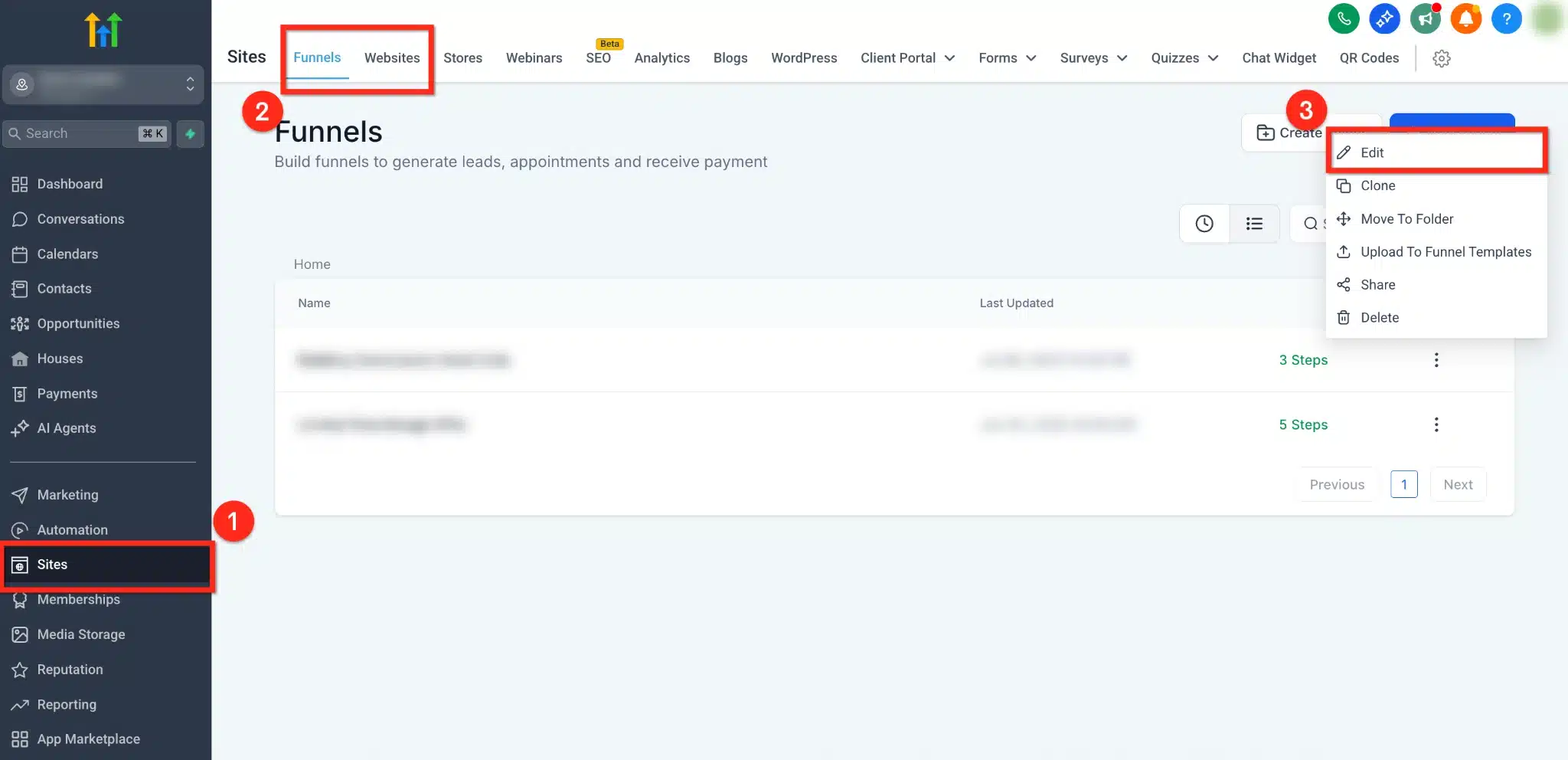
Step 2: Event Tracking Implementation
Track high-intent actions only. Set up events for page visits, form submissions, button clicks on CTAs, and purchases. Use your platform’s native tracking. GoHighLevel has event tracking built in. WordPress needs tracking code. Accurate setup prevents data gaps later.
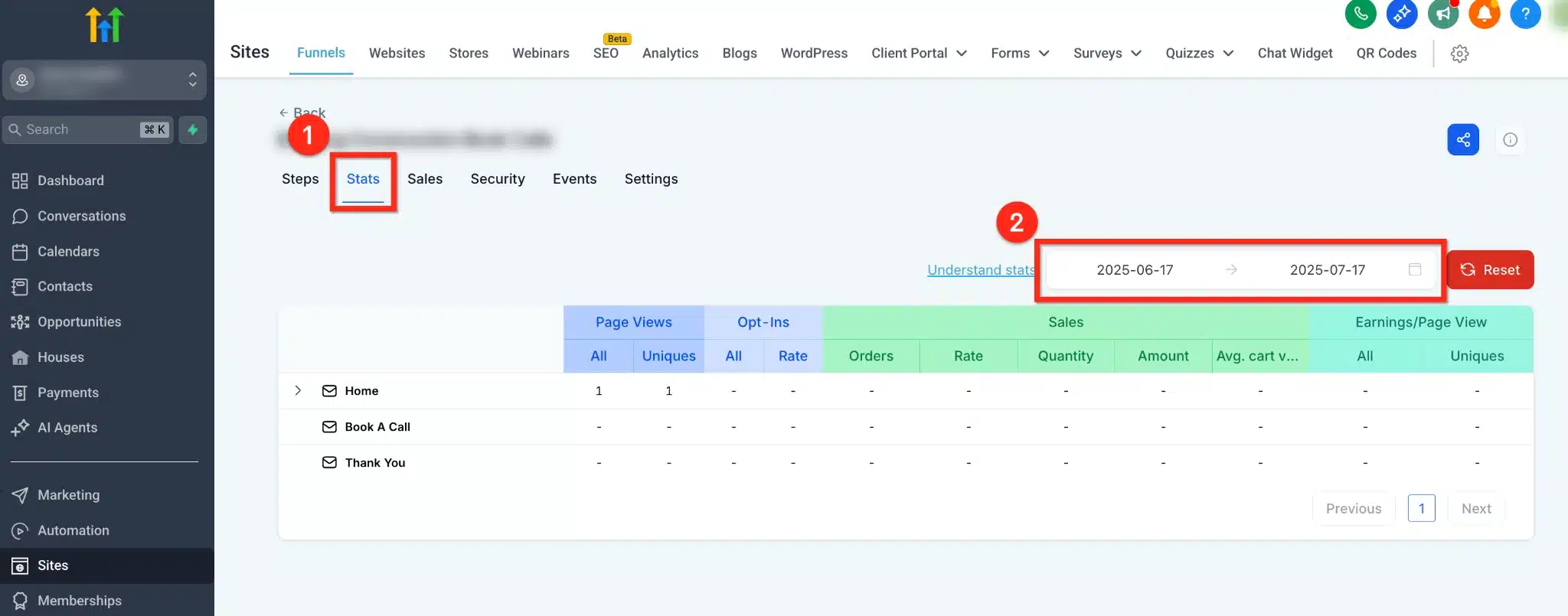
Step 3: Funnel Stage Analysis and Conversion Monitoring
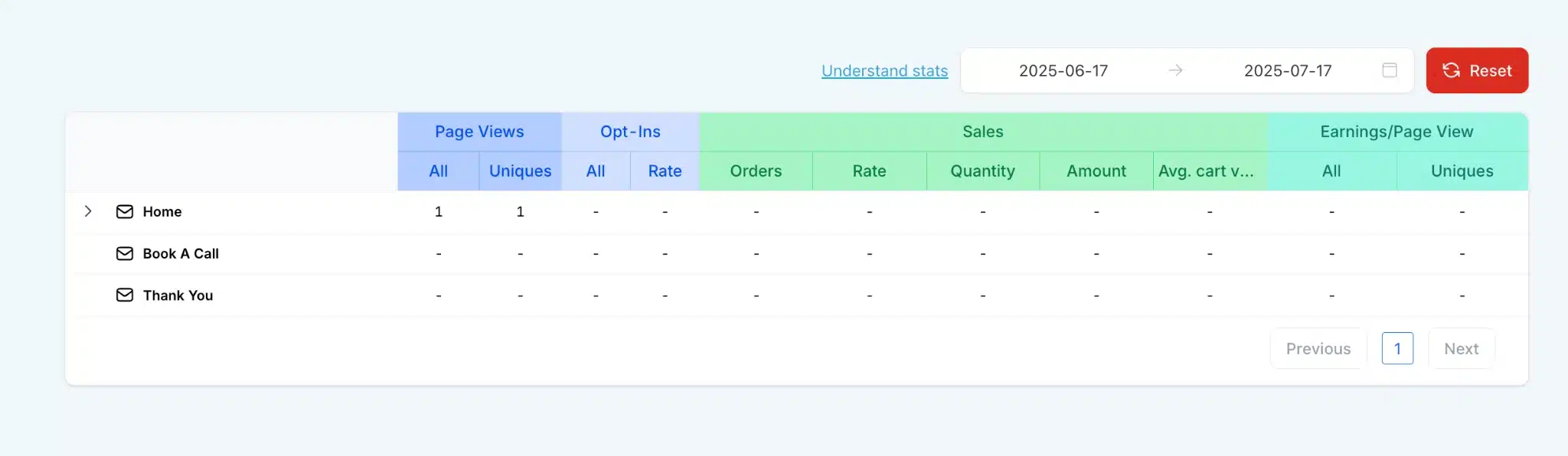
Review data weekly. Check drop-off at each stage:
Find your biggest leak. If most people abandon the evaluation, focus there first. Ignore stages where people already convert.
Step 4: A/B Testing and Performance Optimization
Evaluate one variable at a time for 14 days. Record outcomes of the measurement before making any other changes. Common wins:
Compound small wins. Ten percent improvement at each stage doubles your funnel conversion in months.
Best Tools to Track Sales Funnel Performance
To track funnels properly, businesses often use the following:
Common Mistakes That Kill Your Funnel
Looking for a done-for-you sales funnel that actually converts?
Get a custom funnel strategy and setup designed for your business goals.
Tools That Track Your Sales Funnel
Most businesses use multiple tools together. A CRM like GoHighLevel or HubSpot manages leads. Analytics software like Google Analytics shows visitor behavior. Marketing platforms like Meta or Google Ads track traffic sources. Event tracking captures form submissions and purchases.
Start with what you already have. Do not buy new software before mastering what you own.
Why Your Analytics Might Look Different
Your funnel numbers in GoHighLevel might not match Google Analytics. This is normal.
Different tools count things differently. Ad blockers hide some visitors from tracking. Some people enter your funnel from places Google Analytics does not see. Bounces are filtered differently. This does not mean one is wrong and one is right. It just means they measure different things.
Start Tracking Your Sales Funnel Today
Sales funnel tracking is not complicated, but it requires attention to detail. Map your customer journey. Set up tracking events. Check your data regularly. Test small changes and measure results.
Most businesses lose thirty to fifty percent of potential customers because they cannot see where people get stuck. You now know how to fix this problem. Start with the metrics that matter most. Focus on the stage where most people leave. Test one change at a time.
The businesses that win track their data, find problems, and fix them consistently. Your competitors probably are not doing this. That is your advantage right now.