How to Build a Sales Funnel for Photographers: Step-by-Step Guide

Your portfolio looks great. That’s not enough. Good photos sit on Instagram until the algorithm changes. A funnel changes that because it’s a system that brings people in, keeps them interested, and turns them into paying clients.
Without a sales funnel for wedding photography, people see your work, like it, and leave. Done. With a funnel, they join your email list, get emails about who you are and how you work, and when they’re ready to book, they already know they want you. You’re not chasing anyone down.
Why Use a Sales Funnel for Wedding Photography?
Without a funnel, people see your portfolio, like it, and disappear. With one, you capture their email and stay in front of them for weeks, showing them you get their wedding vision. By the time they’re ready to book (and most couples take 6-10 weeks to decide), they already trust you.
A funnel is basically 5 emails that turn a “random follower” into a “paying client” while you’re sleeping. Plus, your Instagram followers can vanish if the algorithm changes tomorrow. Your email list? That’s yours forever. No platform can take it away.
6 Steps to Build Your Sales Funnel (In Less Than 3 Hours)
Most wedding photography businesses try to DIY their funnel and get stuck on design or overthinking. This system removes the guesswork. Pick your model. Build your lead magnet. Create your landing page. Send emails. Drive traffic. Done.
This article will show you how to build a high-converting sales funnel for your wedding photography business. Simple. Strategic. And client-focused.
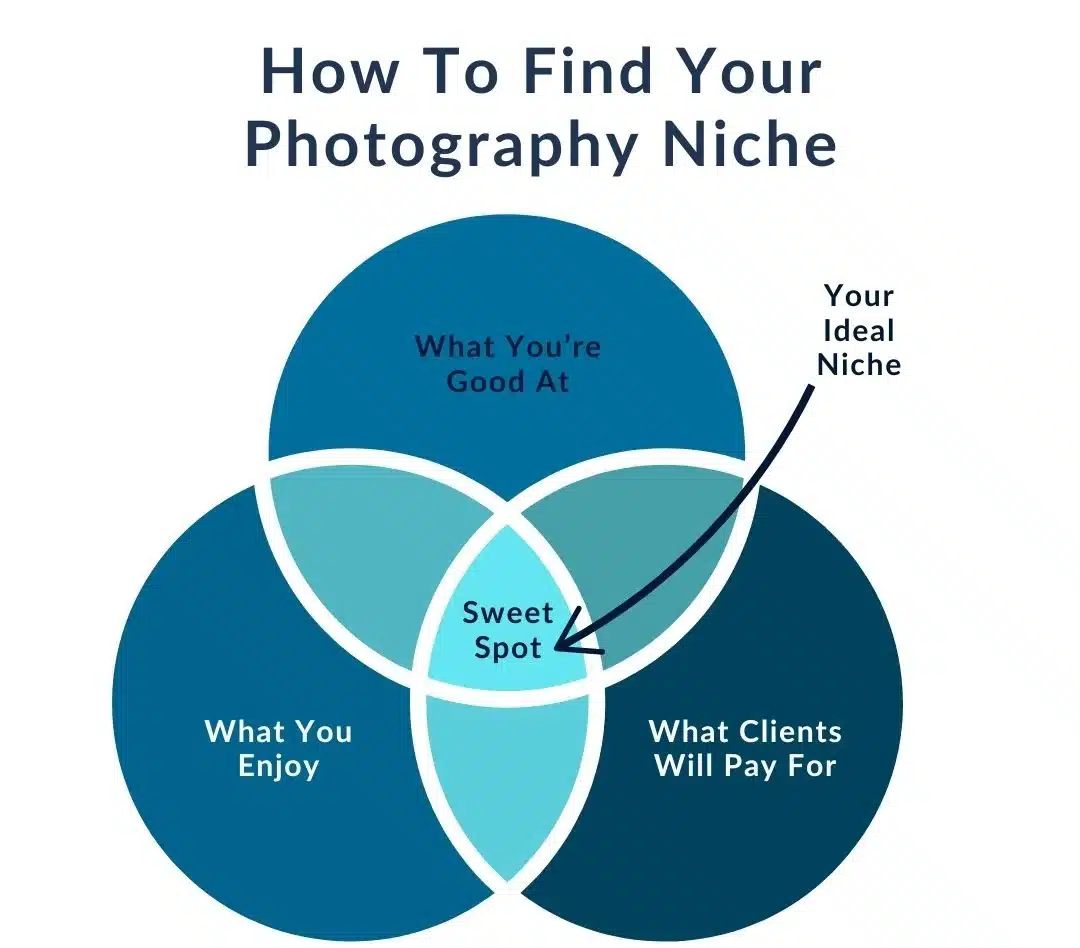
Step 1: Choose Your Photography Niche and Funnel Type
Decide what you’re selling. Weddings, prints, courses, and mini-sessions each need a different setup.
Wedding photographers: Use an application funnel. Couples fill out why they want to work with you. You accept or decline. Filters out time-wasters before they waste your time.
Selling prints: Use a tripwire. Sell a cheap print ($17-$49) first to get their credit card. Then upsell the real thing ($1K+ packages).
Event photographers: Application funnel. Pre-qualify before you even have a conversation.
Teaching online: Membership or course funnel.
Pick one. Don’t try to sell everything at once. That confuses people and kills bookings.
Step 2: Create a High-Value Lead Magnet
Your freebie has to be actually useful. Not a sales pitch, not generic tips. Something people download and think, “Okay, this photographer actually knows what they’re talking about.”
Stuff that works:
Stuff that doesn’t:
Make it visual. Canva or Adobe Express. 10 minutes max. A 5-page PDF with real photos beats a 20-page text document.
Step 3: Build a High-Converting Landing Page
One job only: collect an email in exchange for your free resource.
Include:
Don’t include:
Keep the form simple: first name, last name, email. Each field you add cuts conversions by 10-15%.
Make sure it works on phones. Most people check on their mobile phones. Fast load time matters.
Read this: How to Build a Sales Funnel for Network Marketing? Avoid These Traps
Step 4: Design Your Email Nurture Sequence
Email is where photographers quit. They send one welcome message and wonder why nothing happens.
You need a sequence. Here’s what actually works:
Email 1 (today): Send the freebie. That’s it.
Email 2 (day 1): Introduce yourself. Why do you shoot weddings? One paragraph. Real voice.
Email 3 (day 3): Show results. Client story or before-and-after. “Sarah’s couples chose her venue based on wedding photos” is better than “great results.”
Email 4 (day 5): Answer the doubt. People worry you’re too expensive or not their style. Be direct: “I work with couples on $3K-$10K budgets.”
Email 5 (day 7): Ask for the call. “Book a free 30-minute call to see if we’re a fit.” One link.
After that, email once a week. 80% value, 20% selling. Tips, new work, and common questions. Don’t push. Keep the list active.
One email per week beats no emails.
Step 5: Select the Right Funnel Model for Your Business
Lead funnel: Collect emails only. Landing page → thank you page → weekly emails. Use this if you’re not ready to sell hard yet.
Application funnel: Make people apply. They tell you why they want to work with you. You accept or decline. Takes longer but filters out bad fits. Best for most photographers.
Tripwire funnel: Sell something cheap ($17-$49) to get their card, then upsell the main package ($1K+). Use this for prints or mini-sessions.
Consultation funnel: Landing page → they book a call → you sell on the call. Best for custom packages.
Start with the application or lead funnel.
Step 6: Drive traffic to Your Funnel
If there is no traffic, the funnel is irrelevant.
Paid ads (fastest): Pay $5-10 a day for Facebook or Instagram ads to your landing page. Test for two weeks. If the cost per lead is less than $5, scale it. Otherwise, tweak your lead magnet or page copy.
Social media (free, slow): Post 3-4 times per week on Instagram, Pinterest, and TikTok. Include a link to your funnel in your bio. It takes 6-12 months to see real traffic.
Past clients: Ask them to refer you. Provide a $50 credit towards a session for every person who books.
Local SEO: Optimize your page for “wedding photographer in [city].” Takes months, but leads are qualified.
If you have $150-300, run paid ads. You can tell in two weeks whether or not the funnel is working. Otherwise, it’s not about the budget; it’s about the lead magnet or page.
Common mistakes that destroy funnels and how to overcome them
Too many form fields: Avoid asking for the phone number, budget, and wedding date on the landing page. Send the e-mail. Request more recently.
Too many offers: “Book a session, buy prints, and take a class.” Pick one thing. Multiple options kill conversions.
Sporadic emails: One email every three months, and they forget you. Send weekly or every other week.
Zero follow-up: You get an email address and do nothing. Send the sequence. Then keep emailing. Some people book six months later.
Stock photos: Show your actual work. People want to see what you shoot, not generic images.
Over-designed: Funnels aren’t portfolio pieces. Fast pages and clear copy beat fancy graphics.
Weak ask: “Learn More” or “Contact Me” doesn’t work. Be specific: “Book Your Call” or “Get the Checklist.”
No social proof: Add real testimonials and client stories. Couples buy confidence, not just photos.
Launch in a Weekend, Optimize for a Month
Pick your funnel type. Use GoHighLevel, ClickFunnels, or Systeme.io. They have templates.
Time breakdown:
Test it. Get your first 10 subscribers. Then optimize based on what you learn. Don’t wait for perfect. Perfection kills funnels because they never launch.
Most photographers waste three months trying to make their first funnel perfect when they could have 50 subscribers and real feedback in one week.
The Wedding Photography Decision Timeline: Week by Week
Engaged couples don’t book randomly. Here’s what actually happens:
Week 1-2: See wedding photos on Pinterest or Instagram. A friend recommends you. Interested but not ready to commit. Your lead magnet captures them.
Week 2-4: Download your guide, open your emails, and see your work. Building familiarity. Trust starts here.
Week 4-6: Monitor your Instagram, check your emails, and review testimonials. Comparing you to other photographers mentally. Your funnel needs to prove you understand their vision.
Week 6-10: Ready to book a consultation. If your funnel did its job (showed your work, proved you get their vision, and made you real), they book. If not, they hire someone else.
Weddings are planned 8-12 months in advance. Couples aren’t rushing. Your funnel needs patience. The five-email sequence matters because 7-10 days of touchpoints is what it takes before couples decide.
How to Turn Booked Clients Into Your Best Referral Source
Don’t stop after the booking. This is where most photographers lose the referral machine.
Post-booking:
Post-wedding:
Happy clients refer. That’s how your funnel becomes automatic. One booking leads to another without you having to chase.
How Much Does a Photography Funnel Cost?
Tools: Use GoHighLevel, ClickFunnels, Systeme.io, Flodesk, ConvertKit, or MailerLite. Most have free or cheap plans to start.
Time investment: 2-3 hours to build. Then ongoing: one email per week. That’s it.
Do Sales Funnels Actually Work for Photographers?
Funnels generate 6x more sales than static websites. Nine out of ten six-figure photographers use them. Not because funnels are magic. Because they’re consistent.
You set it up once. It works every day. Rain or shine. While you’re shooting. While you’re editing. While you’re sleeping.
Your Instagram followers disappear if the algorithm changes. Your email list is yours forever. You control it. No platform can take it away.
FAQs
Q: How much should I charge?
A: Know your target market’s budget first. A $2K session funnel looks different from a $300 one. Both work. They attract different clients.
Q: How long before money?
A: With paid ads, 2-4 weeks. With social media, 3-6 months minimum. The funnel is fast. Traffic is slow.
Q: Do I really need an email list?
A: Yes. Social is rented land. Platforms change overnight. Your email list is yours.
Q: I’m already booking solid. Do I need a funnel?
A: A funnel isn’t just for booking. It’s for scaling. Right now, you’re probably booked through referrals. That caps out. A funnel fills openings consistently without relying on word of mouth. Plus, you sell prints, courses, or services to your list year-round.
Q: Should I DIY or hire someone?
A: DIY first. $99 on software and 4-5 hours of learning. See if funnels work for your business. Once you’re getting consistent leads and bookings, then hire someone to optimize it.
Conclusion
Build your lead magnet this week. Landing page next. Email sequence by week three. Test it. Get real feedback. Adjust what doesn’t work. Photographers booking with paid ads see results in 2-4 weeks. Organic social takes 3-6 months. Your email list is yours forever. Instagram can disappear tomorrow. Your list won’t.